 Last week I wanted to read up a little more on the origins of the Israeli-Palestinian Conflict, so I could better understand the opinions of both sides of the argument. I didn't know that the conflict originated back in the early 19th century when the Ottoman Empire was under control of Palestine. At that time, the conflict was completely religious based and had nothing to do with nationality. After the Ottoman Empire was defeated in World War I, it was unclear to whom the land should belong. The Jewish people thought they deserved to have the land back, while the Muslims thought since they already occupied it, they deserved it. Thus the Conflict began. Matters only became worse when the British Mandate of Palestine forced many Palestinians out of their homes, making them bitter towards the Israeli people.
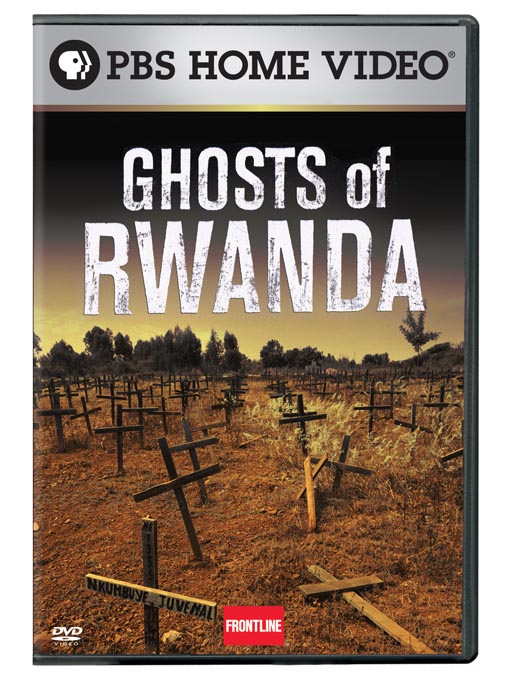
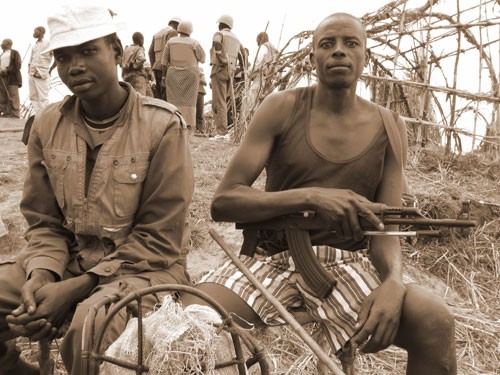
This week we began watching the film "Ghosts of Rwanda", which focuses on the Rwandan Genocide of 1994. I had to do some background research to completely understand what was going on. It appears that Rwanda was a Dutch territory until 1962. At that point, they granted full power and control to the Tutsi people, who, even though they were the minority, were the native people of Rwanda. This angered the Hutu, who were foreign people but made up the majority of the population. In 1994, the plane of a Hutu president was shot down. In response, the Interhamwe ordered a large amount of machetes which they then used to slaughter over 800 thousand Tutsi and moderate Hutu political leaders.
The documentary takes a western perspective of Americans who witnessed the
 genocide and survived. It was haunting to hear the amount of violence that went on and the brutality of it all. The UN tried to offer protection, but found it too overwhelming, and they had to pull out and leave all those people to fend for themselves. Although it doesn't seem fair that they would do that, at the same time it makes sense. They were putting soldiers lives' at risk for something that seemed inevitable. Just saving the Americans isn't fair at all, but if Tutsi people were loaded into a car or onto an airplane, it puts the lives of everyone at an even greater risk. They had to save as many people as they could, and that unfortunately meant leaving a lot of people to die.
A lot of parallels can be drawn between the Rwandan Genocide and the Israeli-Palestinian conflict. For one thing, the major causes for violence among both occurrences were disputes over land ownership as well as racial discrimination. That being said, what is going on in Israel is a fight between two equally guilty parties, while the Rwandan genocide was just one side exterminating the other.
I found it interesting that in my research I read that Rwanda has made a full recovery and is now a model for other third-world countries. My interest has been peaked. I'd like to know how long this transformation took, what ethnic group holds office, and what makes them a role model. I hope by this next week I'll be able to answer all of those.
Sources:
Ghosts of Rwanda. Photograph. Content Reserve. Web.
Interahamwe. Photograph. All Things Pass. Web.

No comments:
Post a Comment